
Las Vegas airport saw more than 40 flights canceled in a single day due to an FAA directive amid a record-long U.S. government shutdown
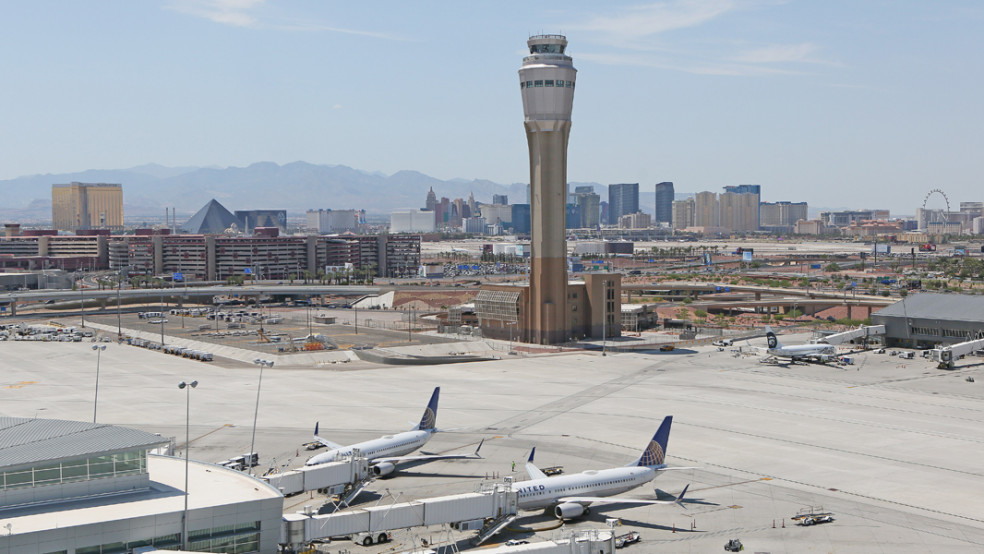
On Monday, airlines canceled more than 40 flights at Harry Reid International Airport after the Federal Aviation Administration (FAA) required airlines to reduce schedules by 10% due to a severe staffing shortage and mounting safety risks. The cause was a record 41-day shutdown that crippled federal agencies and left air traffic controllers working without pay.
Disruptions far from ‘normal’ hit passengers at the nation’s eighth-busiest airport
Las Vegas airport is one of the busiest in the country. Tens of millions of tourists visited the city last year. Interestingly, the proportion of visitors who come primarily to gamble is declining. Until recently, this industry was the backbone of the city’s economy, but it is now in a downturn.
The reason is that people are visiting brick-and-mortar casinos and sportsbooks less, and increasingly prefer to play or place bets online from their computers or smartphones. We are talking about very popular apps from well-known brands, such as Parimatch, Megapari, or 1xBet. According to data cited by https://1xbetcricketbetting.com/app/ in a review of 1xBet’s cricket betting apps, even this niche sport is popular. If we talk about soccer and basketball, the figures are several times higher. Not to mention other forms of gambling, such as slots, crash games, or digital versions of classic roulette or poker.
And yet this did not affect overall attendance in Las Vegas. The city continues to remain a U.S. tourist center, though it’s attracting different types of visitors. At the same time, Reno is gradually rebranding and positioning itself as a U.S. tech hub.
That is why mass cancellations derailed the plans of hundreds of travelers, who were forced to rework their itineraries and lose time in lines at rebooking counters. The United States’ eighth-busiest airport came under severe operational strain: key routes along the West Coast, to Texas, and to the Mountain States were affected.
This was hardly a localized disruption. It was a systemic constraint imposed by the regulator on dozens of major airports across the country.
A 10% cut at 40 airports as an FAA emergency measure
The federal agency required carriers to remove one in every ten flights from their schedules at 40 of the largest airports, including Harry Reid International. This measure was a forced response to a critical drop in air traffic control system capacity.
In essence, the FAA effectively had to throttle back air traffic to prevent a situation in which overworked and exhausted controllers would begin making mistakes with potentially catastrophic consequences.
Working without pay and mounting fatigue
The reason for the FAA’s radical measures is obvious. Throughout all 41 days of the shutdown, air traffic controllers and air traffic management staff continued to do their jobs without pay. The staffing shortfall worsened with each week, fatigue reached alarming levels, and along with it, safety concerns intensified. It was this combination of factors that pushed the regulator toward unprecedented restrictions.
The scale in numbers
The statistics from recent days look impressive:
- more than 40 cancellations at Harry Reid International on Monday alone;
- more than 135 canceled flights in Las Vegas since the directive took effect on Friday;
- over 5,500 cancellations across the United States over the same period;
- the peak came on Sunday, when more than 3,000 flights were pulled from the schedule in a single day;
- mass disruptions were recorded at major hubs including Atlanta, Denver, Dallas, Chicago, Miami, and San Francisco.
Southwest led in cancellations
The leader in the number of pulled flights in Las Vegas was Southwest Airlines, with 24 cancellations on Monday. Routes to Los Angeles, San Diego, Phoenix, Dallas, and Denver were hit hardest.
United, Frontier, and Delta also reduced service on routes to Chicago, Houston, San Francisco, Salt Lake City, Atlanta, Seattle, and Portland. Additional cancellations affected San Jose and a number of other domestic destinations across the country.
The problem went beyond a single city
The crisis is not limited to Las Vegas. The controller shortage and the FAA directive triggered a chain reaction across the network of the largest airports. When the air traffic control system is operating at full stretch, schedules unravel across multiple nodes at once, and restoring normal operations turns out to be significantly harder than disrupting them.
The Senate took a step, but the political standoff is far from over
On Sunday, the Senate voted to advance a bipartisan deal to reopen the government. However, additional votes still lie ahead, along with heated debates over healthcare subsidies and the risk of procedural delays. Before the document reaches the House of Representatives and President Donald Trump’s desk, uncertainty remains.
A slow return to normal—and Las Vegas on edge ahead of peak season
Transportation Secretary Sean Duffy warned that restoring normal schedules would be gradual even after the shutdown ends. Meanwhile, Las Vegas tourism and business leaders are calling for faster action. The city is entering one of the most intense periods of the year, with an expected influx of guests ahead of the Las Vegas Grand Prix and Thanksgiving celebrations.
Recent Comments